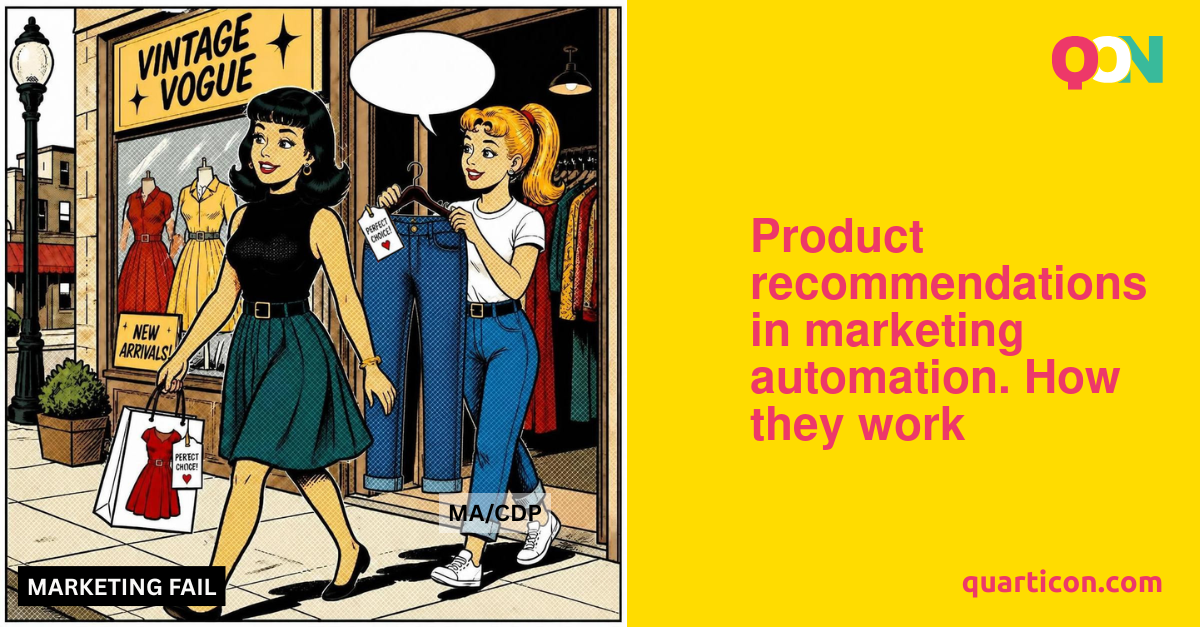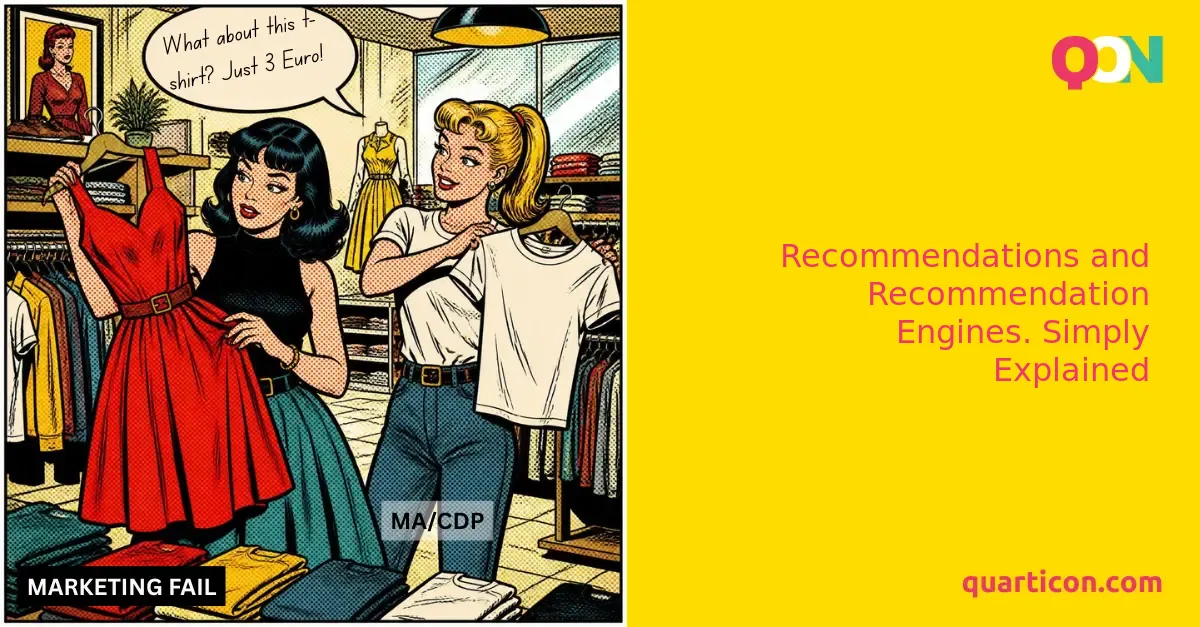

Consumers want personalized experiences, but they do not want to feel watched.
That tension is at the center of today’s personalization challenge. According to findings from Amperity’s 2026 Consumer Priorities Report, 93.6% of U.S. adults say personalized experiences are at least somewhat important when choosing a brand. At the same time, 57.5% say “creepy” personalization would make them less likely to choose a brand. More than half (56%) appreciate brands that remember their preferences and purchase history.
These findings are not contradictory. They reveal a clear consumer boundary: people want brands to be relevant, but they do not want brands to appear omniscient.
The personalization paradox
For years, brands have treated personalization as a race to collect and activate more customer data. Customer data platforms, or CDPs, were designed to bring together information such as purchase history, browsing behavior, demographics, loyalty activity, email engagement, and inferred interests.
The promise was compelling: create a complete customer profile and use it to deliver deeply personalized experiences across every channel.
The problem is that a complete customer profile can easily become an overly visible customer profile. When brands use every available signal in every interaction, the experience may feel less like recognition and more like surveillance.
A customer might appreciate a product recommendation based on what they are browsing. They may be less comfortable receiving a message that references something they searched for several weeks ago on another device. The first interaction feels useful and understandable. The second can feel like the brand has been following them.
The issue, then, is not personalization itself. It is personalization without restraint, context, or a clear value exchange.
Recommendation engines create a clear value exchange
Recommendation engines work because their logic is relatively easy for customers to understand.
“Customers who bought this also bought…”
“Based on your viewing history, you may enjoy…”
“People who viewed this product also viewed…”
These messages communicate what the system is doing and why. The customer sees an obvious connection between their current activity and the recommendation. The value exchange is clear: provide a relevant signal, receive help discovering something useful.
That transparency matters. Research from Amperity indicates that consumers are more receptive to personalized experiences when they trust how their data is being used, while transparency around data use can strengthen loyalty.
A recommendation engine does not need to explain a complex psychological profile or reveal that a brand has stitched together years of behavioral data. It can simply respond to the moment in front of the customer.
This makes recommendations feel assistive rather than investigative.
The future is personalized, but not all-knowing
The lesson from Amperity’s research is not that brands should retreat from personalization. It is that they should become more thoughtful about how personalization is delivered.
Consumers want brands to remember what matters. They want recommendations that save time and reduce choice overload. They want experiences that reflect their intent.
But they also want to understand the exchange. They want personalization to feel relevant, timely, and proportionate – not like evidence that a brand has been watching everything they do.
Product recommendation engine is well positioned for this next phase because they make personalization visible, useful, and bounded. They can operate on current intent, support anonymous users, and create value without requiring a complete reconstruction of the customer.
Amperity’s research source: emarketer.com
Looking for a personalization engine for you store? Check it out: Product recommendation engine or simply schedule a demo.
You may be also interested in:
– Efficiency of CDPs
– CDP/MA – timing paradox