Personalization is often discussed as a question of quality: Are brands using the right data? Are recommendations relevant? Are experiences helpful rather than intrusive? But there is another question that matters just as much: How many customers can a brand actually personalize for?
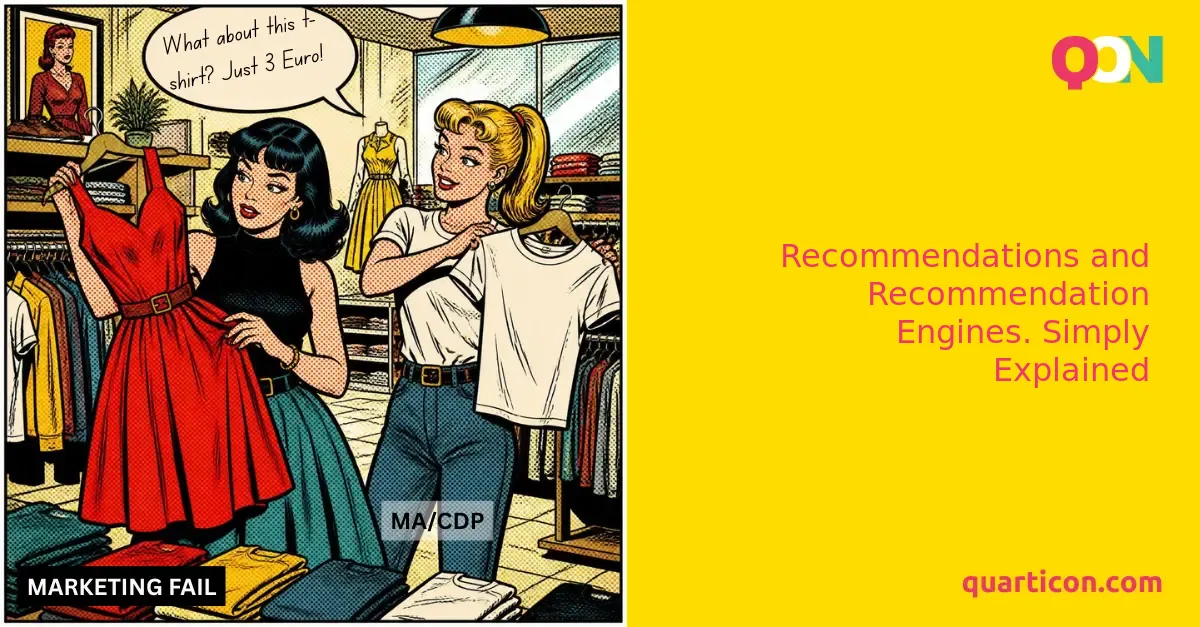
Customer data platforms are powerful because they unify information about known customers. They can connect purchase history, browsing behavior, loyalty activity, email engagement, demographics, and inferred interests to create a richer customer profile. The limitation is that this data is usually tied to identifiable customers – people who have registered, logged in, subscribed, or otherwise given the brand a persistent identity.
In many businesses, that represents only a small portion of total traffic, sometimes around 5%. The remaining visitors are anonymous or only partially identified. They may still be highly engaged, actively comparing products, and close to making a purchase, but they cannot benefit from the full depth of a CDP-driven experience.
That is why the future of personalization is not about choosing relevance over scale. It is about delivering relevance at scale.
Personalization should reach beyond known customers
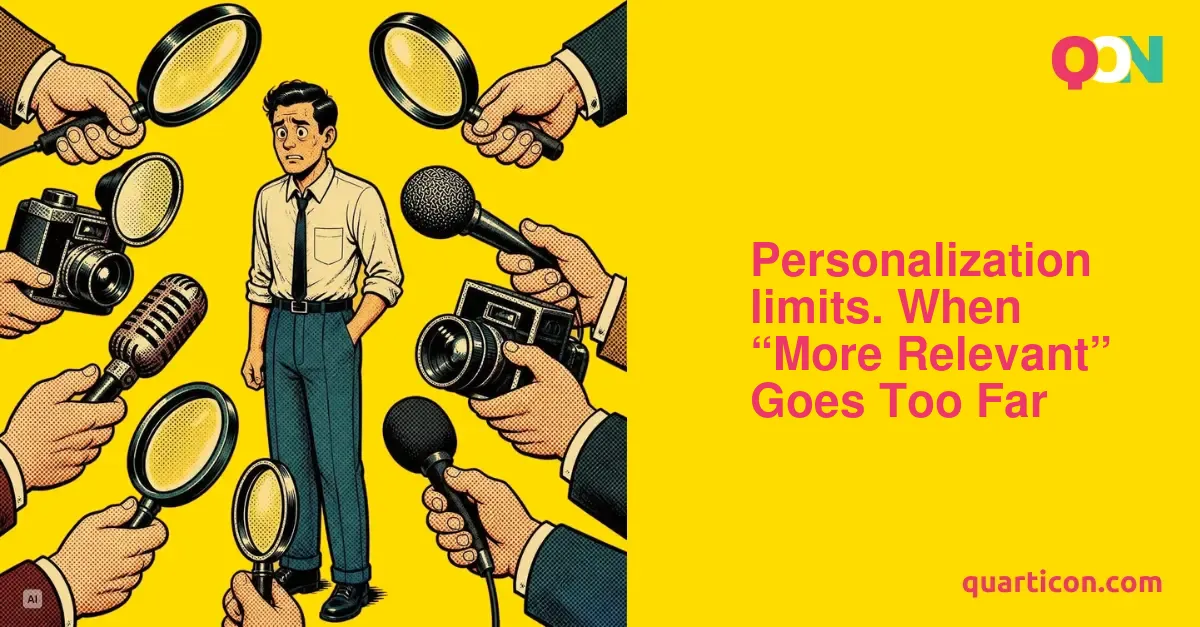
Recent consumer research from Amperity’s 2026 Consumer Priorities Report shows that personalization matters to consumers. The report found that 93.6% of U.S. adults consider personalized experiences at least somewhat important when choosing a brand. At the same time, consumers are cautious when personalization feels excessive or invasive. More than half appreciate brands that remember their preferences, while many are put off by experiences that feel “creepy.”
This creates an important opportunity. Brands need to make personalization more relevant, but they also need to extend it beyond the relatively small audience represented in their customer databases.
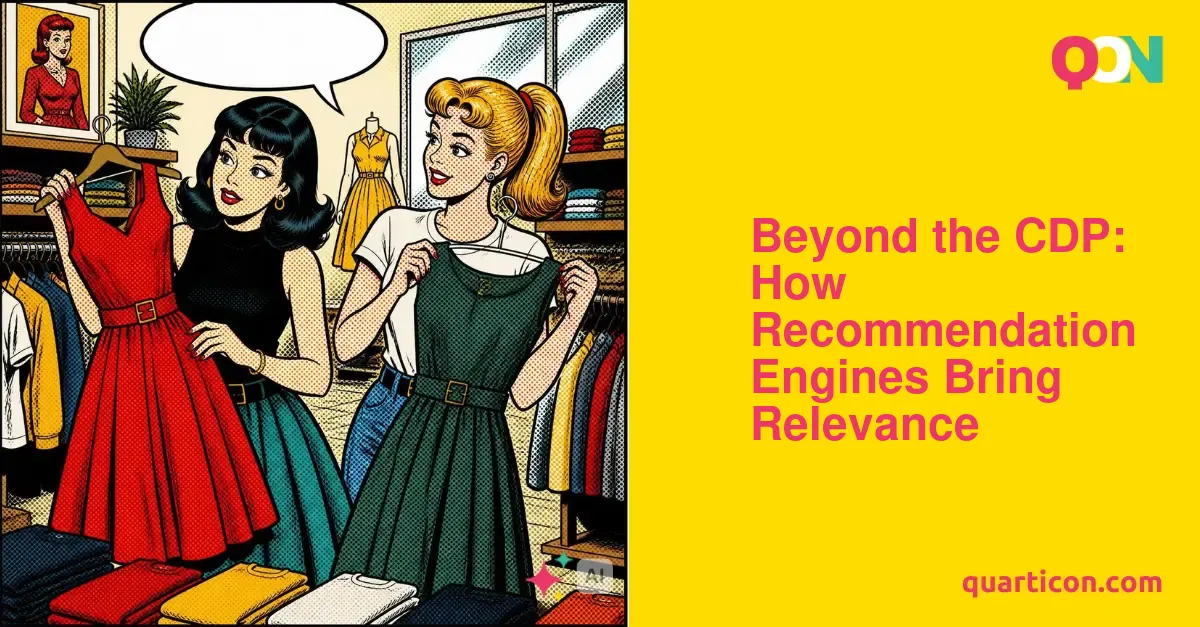
A CDP can help a brand understand known customers. A recommendation engine can help a brand respond to almost everyone.
Anonymous visitors can receive recommendations based on what they are doing in the current session: the products they view, the categories they explore, the search terms they use, or the items they add to a cart. The system can also use aggregate behavioral patterns, such as what other visitors viewed or purchased in similar contexts.
No login is required. No complete customer profile is necessary. The experience becomes more relevant because it responds to current intent.
The value of immediate behavioral signals
A customer’s current behavior is often more useful than a large collection of historical data.
Someone viewing running shoes may not need a recommendation based on their entire customer history. The most valuable signals might simply be the type of shoe they are exploring, the price range they are considering, or the products other shoppers compared alongside it.
This type of recommendation is both scalable and understandable. “Customers who viewed this product also viewed these” gives the visitor a useful next step without implying that the brand has assembled a detailed profile about them.
That distinction is important. The objective is not to reduce the amount of personalization. It is to make personalization available to more people while keeping the logic relevant to the interaction.
The CDP and the recommendation engine have different jobs
The CDP and the recommendation engine should not be viewed as competing technologies. They solve different parts of the personalization challenge.
The CDP provides customer intelligence for known users. It can help establish preferences, eligibility, exclusions, purchase history, and communication rules.
The recommendation engine turns available signals into a timely experience. It can work with CDP data when it is available, but it can also operate with anonymous and session-based behavior when it is not.
This combination allows brands to personalize across the full customer base:
- Known customers can receive recommendations informed by preferences and purchase history.
- Returning but unidentified visitors can receive recommendations based on recent activity.
- Anonymous visitors can receive relevant suggestions based on current behavior and aggregate patterns.
- Every audience can benefit from a consistent standard of relevance and restraint.
The result is not less personalization. It is broader personalization.
Relevance at scale
The most effective personalization strategy is not one that reserves sophisticated experiences for the small percentage of customers a brand can identify. It is one that uses the strongest available signal for every visitor.
For known customers, that signal may include long-term preferences and purchase history. For anonymous visitors, it may be their current session. Neither approach is inherently better. The right choice depends on the quality, freshness, and usefulness of the available data.
Recommendation engines make it possible to extend this approach across a much larger audience. They help brands move from identity-based personalization to behavior-based personalization–without waiting for customers to register or log in.
That is the broader opportunity in personalization today. Brands do not need to choose between the depth of a CDP and the reach of anonymous experiences. They can use both: the CDP to enrich known-customer interactions, and recommendation engines to bring relevance to everyone else.
Personalization at scale does not mean knowing everything about every customer. It means making every interaction more useful with the information available at that moment.
Looking for a personalization engine for you store? Check it out: Product recommendation engine or simply schedule a demo.
You may be also interested in:
– Efficiency of CDPs
– CDP/MA – timing paradox